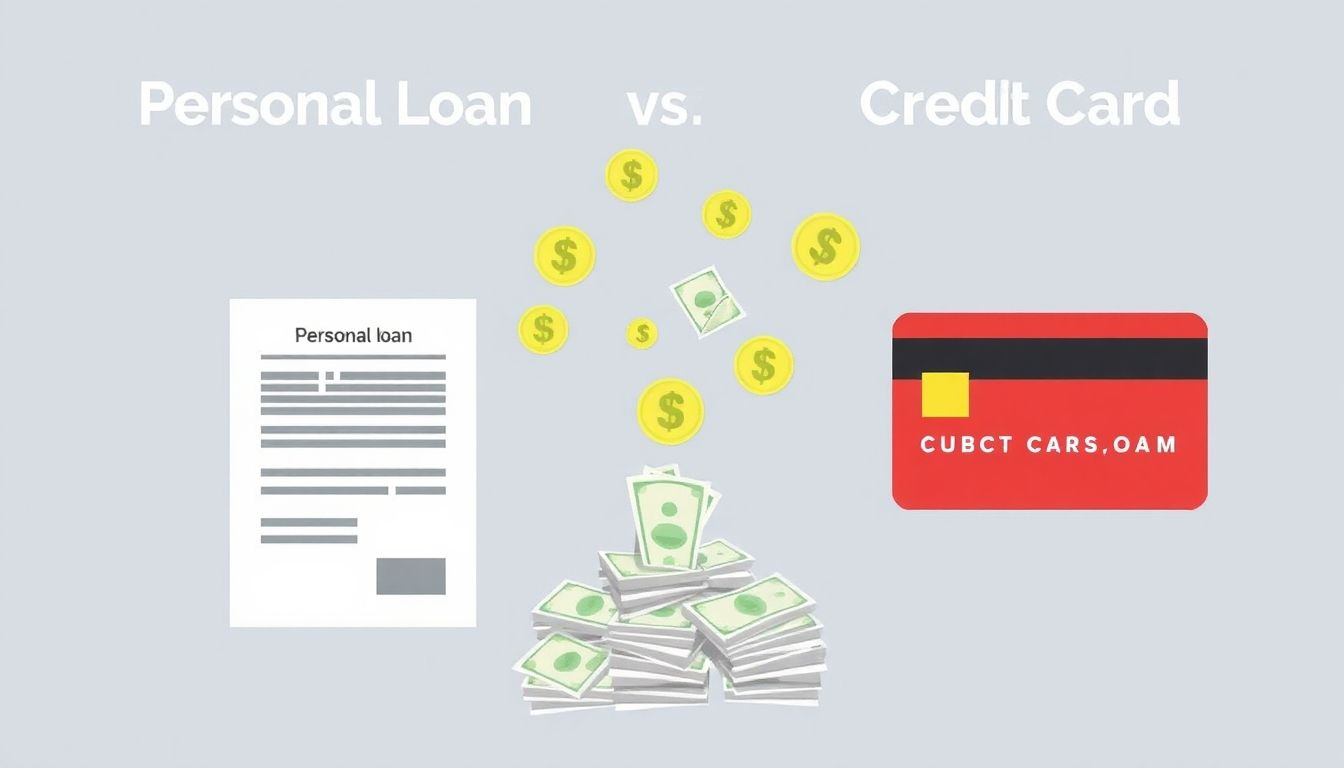
Deciding how to pay off bills can be a real headache. You’ve got options like personal loans and credit cards, and they both have their own pros and cons. It’s easy to get confused about which one is the better choice for your situation. We’re going to break down the main differences between a personal loan vs credit card to help you figure out the best way to tackle your bills.
Key Takeaways
- A personal loan offers a fixed amount paid back over a set period with regular payments, unlike a credit card’s revolving credit line.
- Interest rates and fees vary significantly between personal loans and credit cards; always compare the total cost.
- Understanding the fine print of any loan or credit card agreement is vital before committing.
- Responsible borrowing means making payments on time, avoiding unnecessary debt, and using funds wisely.
- While credit cards are good for everyday spending, personal loans can be a better structured option for consolidating or paying off specific debts.
Personal Loan vs Credit Card: Understanding the Core Differences
When you’re trying to figure out the best way to handle your money, especially when you need to borrow some, personal loans and credit cards often pop up as options. They might seem similar at first glance, but trust me, they’re pretty different animals. Knowing these differences can save you a lot of headaches and cash down the road. It’s like knowing whether you need a screwdriver or a hammer for a job – both are tools, but they do very different things.
No Revolving Credit Line: A Key Distinction
Alright, let’s talk about one of the biggest differences right off the bat. With a personal loan, you get a set amount of money all at once. Once you get it, that’s it. You pay it back over time, and when it’s paid off, the loan is done. You don’t get to keep borrowing from that same pot of money once you’ve paid some back. Think of it like borrowing a specific amount of sugar from your neighbor; once you return it, you don’t automatically have a sugar account with them. It’s a one-time deal.
On the flip side, credit cards work like a revolving door. You have a credit limit, say $5,000. You can spend up to that amount. As you pay down your balance, that credit becomes available again for you to use. So, if you spend $1,000 and pay it back, you still have your full $5,000 limit ready to go. This can be super handy for everyday spending or emergencies, but it also means you can easily get into a cycle of debt if you’re not careful.
Set Due Dates vs. Open-Ended Payments
Another big difference is how you pay them back. Personal loans come with a very clear, fixed repayment schedule. You’ll know exactly how much you need to pay each month and for how many months until the loan is completely gone. It’s like having a roadmap with clear milestones. You get a specific due date, and you pay the same amount every time. This predictability can be a real comfort when you’re budgeting.
It’s really important to understand that with a personal loan, you’re signing up for a clear path to being debt-free by a certain date, as long as you stick to the plan.
Credit cards, however, are a bit more flexible, which can be both a blessing and a curse. You usually have a minimum payment due each month. You can pay just that minimum, or you can pay more. The catch is, if you only pay the minimum, you’ll be carrying a balance, and that balance will keep racking up interest. This means it can take a very long time to pay off a credit card if you’re not paying more than the minimum, and you’ll end up paying a lot more in interest over time. It’s an open-ended commitment unless you pay off the full balance each month.
Different Purposes, Different Structures
So, what are these two tools actually for? Credit cards are often used for daily purchases, online shopping, or building your credit history. They’re great for convenience and can even offer rewards like cashback or travel points. They’re designed for ongoing, flexible spending.
Personal loans, on the other hand, are usually for bigger, more specific needs. Think about things like consolidating existing debt, paying for a home renovation, covering a large medical bill, or even funding a wedding. They’re structured to give you a lump sum for a particular purpose, and then you pay it back in manageable chunks. For example, if you’re looking to simplify your finances and potentially save on interest, consolidating credit card debt with a personal loan can be a smart move. It helps you get a handle on multiple balances by rolling them into one.
Here’s a quick rundown to help you see the main differences:
- Personal Loan:
- Fixed amount borrowed.
- Set monthly payments.
- Clear end date for repayment.
- Often used for larger, planned expenses or debt consolidation.
- Credit Card:
- Revolving line of credit.
- Flexible payments (minimums).
- No set end date if you carry a balance.
- Good for everyday spending, emergencies, and building credit.
Understanding these core differences is the first step to making a smart choice for your financial situation. It’s not about one being “better” than the other in every situation, but about which one fits your specific needs at a given time.
Navigating the Costs: Interest Rates and Fees
When you’re thinking about borrowing money, whether it’s a personal loan or using a credit card, it’s super important to get a handle on what it’s actually going to cost you. It’s not just about the amount you borrow; it’s about the interest and any extra fees that come along for the ride. Knowing these details upfront can save you a lot of headaches and money down the road. Let’s dig into how to figure out the real price tag of borrowing.
Understanding the Full Cost of Borrowing
Okay, so you’ve found a loan that seems to fit your needs. But how much will it really cost? It’s not just the interest rate you see advertised. You need to look at the whole picture. The most important number to focus on is the Annual Percentage Rate, or APR. This isn’t just the interest; it includes most of the fees too, giving you a much clearer idea of the total yearly cost of your loan. Even if you’re only borrowing for a short time, like a few weeks, the APR can look really high, but it’s designed to show you the cost over a full year. What you really want to know is the total dollar amount you’ll pay back. This includes the original amount you borrowed plus all the interest and fees. Always ask for this number before you agree to anything.
Here’s what makes up that total cost:
- Interest: This is the main charge for borrowing money. It’s usually a percentage of the amount you owe.
- Origination Fees: Some lenders charge a fee just for processing your loan application. It’s like a setup fee.
- Late Payment Fees: If you miss a payment, you’ll likely get hit with an extra charge. These can add up fast.
- Prepayment Penalties: Believe it or not, some loans charge you if you pay them off early. This is less common now, but always worth checking.
Knowing these pieces helps you compare apples to apples when looking at different loan offers.
Avoiding Hidden Charges and Surprises
Nobody likes surprises, especially when it comes to money. It’s super frustrating to think you’ve got a handle on things, only to find an unexpected charge pop up. That’s why it’s so important to be a bit of a detective when you’re looking at loan agreements. Some lenders are really upfront, which is great, but others might have little charges tucked away in the fine print.
Here are some things to keep an eye out for that might sneak up on you:
- Application Fees: Some places charge you just to apply, even if you don’t get approved. Try to avoid these if you can.
- Maintenance Fees: Believe it or not, some loans have monthly or annual fees just for keeping the account open.
- NSF (Non-Sufficient Funds) Fees: If your payment bounces because you don’t have enough money in your account, your bank and the lender might both charge you.
- Rollover Fees: This is a big one for some short-term loans. If you can’t pay back the loan on time, the lender might let you ‘roll it over’ to the next pay period, but they’ll charge you another fee for it. This can quickly spiral.
Always, always, always read the loan agreement thoroughly. If there’s anything you don’t understand, or if something seems a little off, ask the lender to explain it in plain English. Don’t be afraid to push back or walk away if you’re not comfortable. It’s your money, and you have the right to know exactly where it’s going.
Comparing Rates to Save Money
Once you understand all the potential costs, the next step is to shop around. Seriously, don’t just take the first offer you get! Different lenders have different ways of calculating interest and different fees, so what looks like a small difference can actually save you a surprising amount of money over the life of the loan.
When you’re comparing, always look at the APR. It’s the best way to get a true comparison of the overall cost. Don’t just focus on the monthly payment amount, because a lower monthly payment might mean you’re paying for a much longer time, and thus, more interest overall.
Think about it like this:
- Get multiple offers: Apply to a few different lenders to see what rates and terms they offer you.
- Compare APRs: This is your golden number for comparison. The lower the APR, the less you’ll pay in total.
- Look at total repayment amount: Some lenders will show you the total amount you’ll pay back, including principal, interest, and fees. This is super helpful.
For example, if you’re looking to get your finances in order, Consolidating credit card debt with a personal loan can sometimes be a smart move. Personal loans often have lower interest rates than credit cards, which means you could save a good chunk of change on interest payments. It’s all about finding the option that makes the most sense for your wallet.
The Importance of Reading the Fine Print
You know how sometimes you get a new gadget, and you just want to rip open the box and start playing with it? Reading the instruction manual feels like a chore. Well, loan agreements are kind of like that, but way more important. Nobody really wants to sit down and read all that tiny print, but trust me, it’s one of the most important things you can do before you commit to any loan. Skipping it can lead to some really unpleasant surprises down the road. It’s where all the crucial details about your money are hiding, and you need to know what you’re signing up for.
What to Look For in Loan Agreements
Okay, so you’ve got the loan agreement in front of you. Where do you even start? It can look like a lot of legal jargon, but there are a few key things you absolutely need to zero in on. These are the parts that directly affect your wallet and your ability to pay back the loan without a ton of stress.
- The Annual Percentage Rate (APR): This isn’t just the interest rate; it’s the total cost of borrowing money for a year, including fees. It gives you a much clearer picture of what you’re really paying. Don’t just look at the interest rate alone.
- All the Fees: Lenders can have different kinds of fees. Look for things like origination fees (a charge for processing the loan), late payment fees (what happens if you miss a due date), and even prepayment penalties (though these are less common now, some loans might charge you for paying it off early). Make sure every single fee is spelled out.
- Total Cost of the Loan: This is the grand total you’ll pay back, including the original amount borrowed, all the interest, and all the fees. Sometimes, seeing this number can be a real eye-opener.
Asking the Right Questions Before You Sign
It’s totally normal to have questions, even after you’ve tried to read through everything. Don’t ever feel silly or embarrassed to ask. This is your money, and you have every right to understand every single detail before you put your name on anything. A good lender will be happy to explain things in plain language. If they seem annoyed or try to rush you, that’s a big red flag.
If something in the loan agreement doesn’t make sense, or if you’re unsure about a specific term, speak up! It’s always better to ask for clarification now than to face unexpected issues later.
Here are some questions you might want to ask:
- “Can you walk me through the repayment schedule, step by step?”
- “What happens if I’m a day or two late on a payment? What are the exact fees?”
- “Is there any way this interest rate could change during the loan term?”
- “Are there any other charges I should be aware of that aren’t listed here?”
- “What are my options if I have an unexpected emergency and can’t make a payment?”
Understanding Your Repayment Schedule
Knowing when and how you’re going to pay back your loan is super important for keeping your finances on track. It’s not just about the total amount; it’s about the rhythm of your payments. This is where you plan how the loan fits into your regular budget.
- Due Dates: Mark these on your calendar, set reminders on your phone, do whatever you need to do. Missing a payment can lead to extra fees and can even hurt your financial standing.
- Payment Frequency: Some loans are monthly, others might be bi-weekly, especially for shorter-term options. Make sure the payment schedule aligns with when you get paid.
- Loan Term: This is how long you have to pay back the loan. A longer term usually means lower monthly payments, but you’ll pay more in interest overall. A shorter term means higher payments, but you save on interest. It’s a balancing act.
When you’re looking for a loan, especially if you need quick cash, it’s good to know that some lenders, like Beehive Loans, try to be really clear about all these details upfront. They want you to understand what you’re getting into. Taking the time to understand these things will save you a lot of headaches and help you manage your money better in the long run.
Responsible Borrowing: Making Smart Choices
Alright, so you’ve got your loan, or you’re thinking about getting one. That’s a big step! But here’s the thing: getting the money is just one part of the journey. The real magic happens when you use it wisely. Think of it like this: a loan is a tool, and just like any tool, it works best when you know how to handle it right. Making smart choices now can really set you up for a better financial future. It’s all about being thoughtful and intentional with your money, and understanding how to approach smart borrowing in a way that helps you, not hurts you.
Making Payments On Time: It Really Matters
This might sound super basic, but seriously, paying your bills on time is probably the most important thing you can do when you have a loan. It’s like showing up for work every day – it builds trust and shows you’re reliable. Lenders really pay attention to this, and it plays a huge role in how they see you as a borrower. If you’re consistently on time, it tells them you’re good for your word. If you miss payments, well, that sends a different message, and it can make things tougher for you down the road. Even one late payment can cause a ripple effect on your financial standing.
Here are a few simple ways to make sure you’re always on time:
- Set up automatic payments: If your lender offers it, this is a lifesaver. The money just goes out, and you don’t have to think about it.
- Mark your calendar: Put reminders on your phone or a physical calendar a few days before the due date. A little nudge can go a long way.
- Budget for it: Make sure the loan payment is a fixed part of your monthly budget, just like rent or groceries. Don’t let it be an afterthought.
Avoiding More Debt: Stay Smart
Okay, so you’ve got some extra cash from your loan. It can feel pretty good, right? Maybe you’re thinking, “Finally, I can get that new gadget!” or “Time to treat myself!” Hold on a second. The whole point of taking out a loan, especially if it’s to help with existing bills, is to get out of debt, not to pile more on. It’s super tempting to see that money and feel like you’re richer, but remember, it’s borrowed money, and you have to pay it back, usually with extra costs.
Resist the urge to spend your loan money on things you don’t absolutely need. Every dollar you spend now is a dollar you’ll have to repay later, and that repayment comes with its own price tag.
Focus on the reason you got the loan in the first place. If it was for an emergency, use it for that. If it was to consolidate other debts, make sure those old debts are actually gone. Don’t let the new loan become an excuse to create new spending habits.
Using Your Loan Wisely
This ties into avoiding more debt, but it’s worth its own section. A loan isn’t free money; it’s a tool to help you solve a specific problem or reach a particular goal. So, use it for what you intended. If you took out a loan to fix your car, then fix your car. Don’t use half of it for the car and the other half for a weekend getaway. That’s how people get into trouble.
Think about your purpose for borrowing. Was it to:
- Cover an unexpected medical bill?
- Repair something essential, like your home or vehicle?
- Consolidate high-interest credit card debt?
Stick to that plan. If you used the loan to pay off credit cards, it’s a really good idea to close those accounts or at least put them away so you’re not tempted to run up new balances. The goal is to improve your financial situation, not just move debt around. Using your loan responsibly means it becomes a stepping stone to a more stable financial future, not a slippery slope.
Alternatives to Consider Before a Payday Loan
Life can throw some real curveballs, and sometimes you just need a little cash to get by. When unexpected bills pop up, payday loans might seem like the only way out. But hold on a minute! Before you jump into something that could cost you a lot in the long run, let’s chat about some other paths you can take. There might be a much better fit for your situation that doesn’t come with those super high costs and risks. It’s always a smart move to check out all your options before making a big decision.
Exploring Personal Loans as a Better Option
Personal loans can be a really solid choice instead of payday loans, especially if you need a bit more money or a longer time to pay it back. They usually come with lower interest rates, which means you save money over time. Plus, the repayment schedules are often much more manageable. Unlike payday loans, which want their money back super fast, personal loans give you more breathing room, sometimes up to a few years. This makes your monthly payments smaller and easier to fit into your budget. It’s a way to get the funds you need without feeling like you’re in a race against the clock.
Here’s why personal loans often win out:
- Lower Interest Rates: You’ll typically pay way less in interest compared to payday loans.
- Longer Repayment Periods: More time to pay means smaller, more predictable payments.
- Fixed Payments: You know exactly what you owe each month, making budgeting simpler.
- Versatile Use: You can use the money for almost anything, from medical bills to car repairs.
Borrowing from Friends or Family: A Personal Approach
Asking for help from people you know can feel a bit awkward, but it can also be a real lifesaver. If you’re lucky enough to have friends or family who can lend you money, this can be a fantastic option because you might avoid interest altogether, or at least get a much lower rate. The key here is to treat it like a real loan, even if it’s from someone close. Clear communication and a plan are super important to keep your relationships strong.
Even if it’s with someone you trust, putting things down on paper can prevent misunderstandings later. A simple agreement outlining the amount, repayment schedule, and any agreed-upon interest (or lack thereof) can save a lot of headaches.
To make this work smoothly:
- Be Honest: Explain why you need the money and how you plan to pay it back.
- Set Clear Terms: Agree on the exact amount, when you’ll pay it back, and if there’s any interest.
- Put it in Writing: A simple note or email confirming the terms can avoid future confusion.
- Stick to the Plan: Make your payments on time, every time, to show you respect their help.
Credit Counseling Services for Guidance
Sometimes, you just need someone to help you sort through your financial situation, especially when things feel overwhelming. That’s where credit counseling services come in. These are often non-profit organizations that offer free or low-cost advice. They won’t just hand you a loan; instead, they’ll sit down with you, look at your whole financial picture, and help you figure out the best way forward. They can help you create a budget, manage your debt, and even negotiate with creditors on your behalf. It’s all about getting unbiased support and a clear plan.
They can help you explore various alternatives to debt consolidation loans and other strategies to get your finances back on track. They’re there to empower you with knowledge, not just push a product.
What a credit counselor can do for you:
- Budgeting Help: They’ll help you create a realistic budget to manage your money better.
- Debt Management Plans: They might set up a plan where you make one monthly payment to them, and they distribute it to your creditors.
- Negotiation: They can sometimes help you negotiate lower interest rates or fees with your current creditors.
- Financial Education: They’ll teach you smart money habits to avoid future financial struggles.
Building a Stronger Financial Future
Getting a loan can definitely help you out of a tight spot, but it’s really just one piece of the puzzle. The bigger picture is about setting yourself up for a solid financial future. It’s about making smart choices every day, not just when you need a quick fix. Think of it as planting seeds for a healthier money life down the road.
Beyond the Loan: Smart Money Habits
Once you’ve handled that immediate need, the real work begins. It’s like learning to ride a bike; the loan might give you the initial push, but you need to learn how to balance and steer on your own. Building smart money habits means looking at your everyday spending and making conscious decisions. It’s about being honest with yourself about where your money goes. You might be surprised how much you spend on things you don’t even remember buying. Making small, consistent changes can add up to big results over time.
Here are a few simple habits to start with:
- Know where your money goes: Track every dollar you spend for a month. Use an app, a spreadsheet, or even just a notebook. This helps you see your spending patterns clearly.
- Think before you buy: Before making a purchase, especially a non-essential one, ask yourself if you truly need it or just want it. Sometimes, a little pause can save you a lot of cash.
- Automate your savings: Even if it’s just a small amount, set up an automatic transfer from your checking to your savings account each payday. Treat it like a bill you have to pay yourself.
How This Can Help Your Credit Over Time
Using a loan responsibly, especially by making your payments on time, is a huge step toward improving your credit standing. Your payment history is a big part of what makes up your credit score. When you consistently pay back what you owe, lenders see you as reliable. This builds trust, and trust is key in the financial world.
Over time, a good payment history can lead to a better credit score. A higher score means you might get better interest rates on future loans, credit cards, or even things like car insurance. It opens doors to more favorable financial products, making your money work harder for you. It’s all about showing that you can manage your money well, which contributes to a stronger financial future.
When you handle your money well, you’re not just paying off a debt; you’re investing in your future self. Every on-time payment is a step toward more financial freedom and less stress.
Creating a Budget That Works for You
Budgeting doesn’t have to be a chore. Think of it as your personal financial roadmap. It helps you see where you are, where you want to go, and how to get there. The goal isn’t to restrict yourself completely, but to gain control over your money.
Here’s how to build a budget that actually helps:
- List all your income: Write down every source of money coming in each month.
- List all your fixed expenses: These are things that stay the same, like rent, loan payments, or subscriptions.
- Estimate your variable expenses: These change month to month, like groceries, gas, or entertainment. Be realistic here.
- Find areas to adjust: Look for places where you can cut back a little. Maybe it’s eating out less or finding a cheaper phone plan. Even small cuts can free up cash.
- Review and adjust regularly: Your life changes, so your budget should too. Check in with it every month or so to make sure it still fits your situation. If something isn’t working, change it!
When You Need Cash Now: Understanding Quick Payday Loans
What Exactly Is a Quick Payday Loan?
Ever found yourself in a spot where you need cash, like, yesterday? That’s where quick payday loans come into the picture. They’re basically short-term loans designed to help you out until your next paycheck arrives. Think of them as a temporary financial bridge, not a long-term solution for ongoing money issues. The ‘quick’ part isn’t just marketing fluff; it means the application and approval process is usually super fast, way quicker than what you’d typically experience with a traditional bank loan. It’s all about getting you the money you need without a lot of waiting around.
The Benefits Of Speed and Convenience
One of the biggest draws of these loans is how incredibly easy and fast they are to get. You can often apply right from your home, using your phone or computer, any time of day or night. There’s no need to go to a physical bank or fill out stacks of paperwork. The application is usually pretty simple, and you often get a decision in just a few minutes. If you’re approved, the money can land right in your bank account, sometimes even on the same day. Get your loan funded without a lot of waiting around, which can be a huge relief when you’re dealing with an unexpected bill or emergency that just can’t wait.
Payday Loans: A Quick Fix (With Caveats)
While payday loans can definitely seem like a lifesaver when you’re in a tight spot, it’s super important to understand they’re really just a quick fix. They aren’t meant to solve ongoing financial problems. The big thing to watch out for is the cost. These loans often come with really high interest rates and fees. It’s easy to get caught in a cycle where you borrow more just to pay off the last loan, and that can get pretty stressful.
It’s crucial to remember that while these loans offer speed, their high costs mean they should be considered carefully and used only for genuine, short-term emergencies.
So, think of them as a last resort for those true emergencies, not something you rely on regularly. Always make sure you have a solid plan to pay it back on time, or you could end up in a tougher spot than when you started. Here are some things to keep in mind:
- They carry high interest rates and fees.
- They are designed for short-term use, not long-term financial solutions.
- There’s a risk of getting stuck in a debt cycle if you can’t repay on time.
- Always have a clear repayment plan before you borrow.
Why Installment Debt Can Be Less Stressful
Dealing with money stuff can be super stressful, right? Especially when you’re trying to figure out how to pay off bills. But when it comes to different kinds of debt, installment debt often feels a lot less overwhelming than, say, credit card debt. It’s all about how it’s set up, which gives you a clearer path forward and can really help ease your mind.
Fixed Payments, Predictable End
One of the best things about installment debt is that it’s pretty straightforward. You borrow a set amount of money, and then you pay it back in regular, fixed payments over a specific period. This means you know exactly how much you owe each month, and you can see the finish line from the very beginning. This predictability makes budgeting a whole lot easier and takes away a lot of the guesswork. You don’t have to worry about your payment amount changing unexpectedly, which can be a huge relief. It’s like having a clear roadmap for getting out of debt, instead of wandering around in the dark.
Common Examples of Installment Loans
When you think about it, many of the big things we buy are often financed with installment loans. They’re pretty common, and you might already have one or two without even realizing it. Here are some typical examples:
- Car Loans: When you buy a car, you usually get a loan and pay it back in fixed monthly amounts over several years.
- Mortgages: This is probably the biggest installment loan most people take on, paying back a home loan over 15, 20, or even 30 years with consistent payments.
- Student Loans: These loans help pay for education and are repaid in regular installments once you’re out of school.
- Personal Loans: These can be used for all sorts of things, like home improvements or even consolidating other debts, and they also have a set repayment schedule.
Revolving Debt: The Cycle Continues
Now, let’s talk about revolving debt, which is a whole different animal. The most common example here is a credit card. With a credit card, you have a credit limit, and you can borrow, pay back, and then borrow again, over and over. There’s no set end date, and your minimum payment can change depending on how much you’ve spent. This flexibility can be handy, but it’s also super easy to get caught in a cycle where you’re only making minimum payments, and the balance just keeps hanging around.
When you’re only paying a small portion of what you owe, a big chunk of your payment goes to interest, not the actual money you borrowed. This means it takes a really long time to pay off the debt, and you end up paying a lot more overall.
This ongoing cycle can be really stressful because it feels like you’re never truly getting ahead. If you’re looking to replace revolving credit balances with a more predictable payment, a personal debt consolidation loan might be a good option. It’s about having a clear plan to get out of debt, rather than feeling like you’re constantly running on a treadmill.
Payday Loan Consolidation: A Path to Relief
Dealing with payday loans can feel like you’re stuck in a really tough spot, right? The high interest rates and super quick repayment demands are a lot to handle. But there’s this thing called payday loan consolidation, and it might just be the way out. It’s about taking all those little loans and rolling them into one, making things a lot simpler and maybe even cheaper. This approach, often called a debt consolidation strategy, can really help you get back on track and feel better about your finances.
Saving Money On Interest Through Consolidation
One of the biggest headaches with payday loans is how much they cost. They often come with crazy high interest rates that can make a small loan balloon into a huge amount of debt super fast. When you consolidate, you’re basically swapping out those expensive loans for a single new one that, ideally, has a much lower interest rate. This can mean your monthly payments are smaller, and you end up paying way less money overall. It’s like trading in a car that guzzles gas for one that’s really efficient – same journey, but way cheaper to get there. This can lead to significant savings over time, freeing up your money for other important things.
Getting Out Of The Debt Cycle
Payday loans can easily trap people in a never-ending cycle. Because you have to pay them back so quickly, a lot of folks find they can’t quite make the payment on time. So, what happens? They end up rolling the loan over, or taking out another one, which just adds more fees and interest. It’s a real struggle to break free from that. Consolidation can actually stop this cycle by giving you a more manageable repayment plan. Instead of constantly scrambling to find money for multiple loans, you get a clear path to becoming debt-free. It’s like finally finding the exit to a maze you’ve been stuck in for ages. You get to:
- Have one clear payment to focus on.
- See a definite end date for your debt.
- Avoid the stress of constant rollovers and fees.
Improving Your Financial Peace of Mind
Beyond just the money stuff, consolidating your payday loans can seriously help your peace of mind. Always worrying about different due dates, those high interest rates, and the risk of not being able to pay can really mess with your head and your emotions. When you consolidate, your financial life gets a lot simpler. You have just one loan to think about, one payment to make, and a clear finish line in sight. This can really cut down on stress, help you sleep better, and let you focus on other important parts of your life.
It’s like decluttering your home – once you get rid of all the extra stuff, you feel lighter, calmer, and more in control. The same goes for your money. Taking charge of your debt through consolidation can bring a sense of relief and empowerment that goes way beyond just your bank account.
Potential Downsides to Consider With Consolidation
Alright, so we’ve talked about how great debt consolidation can be, right? It’s like a breath of fresh air for your finances. But, and there’s always a “but,” it’s not all sunshine and rainbows. Just like anything else, there are some things you really need to think about before you jump in. It’s super important to know the whole picture, not just the good parts. Let’s dig into some of the potential bumps in the road you might hit.
Impact On Your Credit Score
Okay, so this is a big one that sometimes catches people off guard. When you apply for a new loan, even if it’s to consolidate existing debt, the lender usually does what’s called a “hard inquiry” on your credit report. Think of it like someone peeking really closely at your financial history. This can cause a small, temporary dip in your credit score. It’s usually not a huge drop, but it’s something to be aware of.
Also, if you’re consolidating a bunch of smaller loans or credit card balances, you’ll likely be closing those accounts once they’re paid off. While getting rid of old debt is good, closing accounts can sometimes affect the “length of your credit history” and your “credit mix,” which are factors in your score. So, you might see a little wobble in your score at first. However, if you make all your payments on time for your new consolidation loan, you’ll likely see your credit score start to climb back up and even improve over time. It’s kind of like taking one step back to take two steps forward. It’s really important to assess your creditworthiness and the potential for interest rate reduction before pursuing debt consolidation.
Longer Repayment Periods Mean More Interest
This is a classic trade-off, and it’s one you really need to understand. One of the main reasons people consolidate is to get a lower monthly payment. How do lenders usually make that happen? By stretching out the repayment period. Instead of paying off your debt in, say, two years, you might now have five years to pay it back.
While those smaller monthly payments can feel like a huge relief right now, there’s a catch. The longer you take to pay off a loan, the more total interest you’ll end up paying over the entire life of that loan. Even if your new interest rate is lower than what you were paying on your old debts, that extended time can mean you fork over more money in the long run. It’s like buying a car with a really low monthly payment, but you’re paying for it for seven years instead of three. You save money each month, but the total cost goes up. Always run the numbers to see if the long-term cost is worth the short-term relief.
The Importance Of Sticking To The Plan
Look, debt consolidation isn’t a magic wand that makes all your money problems disappear. It’s a tool, a really helpful one, but it only works if you use it right. The biggest danger, and honestly, the most common mistake people make, is thinking that once their old debts are consolidated, they can go back to their old spending habits.
If you consolidate your payday loans, get that nice, manageable monthly payment, and then start racking up new debt on credit cards or taking out more small loans, you’re just digging yourself into an even deeper hole. You’ll end up with the consolidation loan plus new debt, which is way worse than where you started.
This is where the real work begins. You absolutely have to commit to changing your financial behavior. That means creating a realistic budget, sticking to it like glue, and avoiding those tempting urges to borrow more money.
To truly make consolidation work for you, consider these steps:
- Create a detailed budget: Know exactly where your money is going each month.
- Cut unnecessary spending: Find areas where you can save, even small amounts.
- Avoid new debt: Resist the urge to use credit cards or take out new loans for non-essentials.
- Build an emergency fund: Even a small one can prevent you from needing to borrow in a pinch.
Think of consolidation as a fresh start, a clean slate. It gives you a chance to break free from the cycle of debt, but it’s totally up to you to make the most of it. If you don’t change your habits, you’ll likely find yourself right back in the same messy spot, or even worse off. It takes discipline, but you can totally do it.
Beyond the Credit Score: What Else Lenders Consider
So, you’re looking to get a loan, and maybe your credit score isn’t exactly sparkling. It’s easy to feel like that three-digit number is the only thing lenders care about, but guess what? It’s not the whole story. While your credit score definitely plays a part, lenders actually look at a bunch of other stuff to figure out if you’re a good fit. They want to see the bigger picture, not just a snapshot from your past.
The Power of a Steady Income
Think about it: if you’re lending money to someone, you want to know they can pay you back, right? That’s why a steady income is a huge deal for lenders. It shows them you have a reliable way to make those payments. It doesn’t necessarily mean you need to be rolling in cash, but it does mean your income should be consistent. Even if your credit history has a few bumps, a solid income can really help your chances. Lenders love predictability.
This income doesn’t always have to come from a traditional 9-to-5 job either. It could be from:
- Regular freelance gigs
- Consistent side hustles, like driving for an app or selling crafts
- Benefits or other government assistance
- Rental income from a property you own
- Even consistent alimony or child support payments
Basically, anything that shows money coming in regularly can make a difference.
Showing You’re Responsible Now
Okay, so maybe your past credit isn’t perfect. We all make mistakes, and lenders get that. What they really want to see is that you’re currently being responsible with your money. It’s about showing them you’ve learned from the past and are on a better path.
Here’s what can really impress them:
- Paying all your bills on time, not just loan payments. This includes utilities, rent, phone bills – everything.
- Keeping your existing debt levels low. If you have credit cards, try to keep the balances well below your credit limits.
- Avoiding applying for a bunch of new credit all at once. That can look a little desperate.
- Demonstrating a commitment to improving your financial situation, maybe by sticking to a budget or building up a small emergency fund.
Even a short period of showing this kind of responsible behavior can signal to lenders that you’re a lower risk than your credit score might suggest. It’s like saying, ‘Hey, I’m serious about this, and I’m doing things differently now.’
Types of Small Loans for Bad Credit
So, if your credit isn’t great, does that mean you’re out of luck? Not at all! There are still options out there for getting the cash you need, especially for smaller amounts. You just need to know what they are and how they work.
- Payday Loans: These are super quick, often getting you cash the same day. The catch? They usually come with really high fees and you have to pay them back fast, usually by your next payday. They’re meant for emergencies, not long-term solutions, and you need to be super careful not to get caught in a cycle of debt.
- Personal Installment Loans: These are a bit more manageable. You borrow a set amount and pay it back in fixed monthly payments over a longer period. This can make budgeting easier, and if you make your payments on time, it can actually help you build up your credit score over time. Some people even use these for a Debt Consolidation Program to simplify their payments.
- Secured Loans: With these, you put up something you own as collateral, like your car or a savings account. Because the lender has something to fall back on if you can’t pay, they’re often more willing to lend to people with lower credit scores. But, and this is a big ‘but,’ if you don’t pay, you could lose that asset. So, think hard before going this route.
| Loan Type | Pros | Cons |
|---|---|---|
| Payday Loans | Fast access to cash | Very high interest rates, short repayment terms |
| Personal Installment Loans | Manageable payments, can improve credit | May have higher interest rates than secured loans |
| Secured Loans | Easier approval with bad credit | Risk of losing collateral if you can’t repay |
It’s all about finding the right fit for your situation and making sure you understand the terms before you commit. Don’t be afraid to ask questions!
Tips for a Smooth Payday Loan Experience
Payday loans can be a real help when you’re in a tight spot, but getting one isn’t just about the money showing up in your account. It’s about handling the whole thing smartly so you don’t end up with more stress than you started with. If you’re looking into options like e-transfer payday loans, knowing how to manage them well is super important. Let’s talk about how to make your payday loan experience as easy as possible.
Only Borrow What You Need
This might sound like a no-brainer, but it’s surprisingly easy to get carried away and borrow more than you actually require. Just because a lender says you qualify for a certain amount doesn’t mean you should take every single dollar of it. Every bit you borrow comes with fees and interest, so taking extra means you’re just paying more for something you didn’t truly need. Always be honest with yourself about the exact amount you need to cover your immediate expense. Resist the urge to add a little extra for things that aren’t urgent. Your goal here is to solve a problem, not create a bigger one.
Here’s how to figure out the right amount:
- Take a close look at your current situation and what bill or emergency you’re trying to cover.
- Calculate the precise amount needed. Don’t round up or guess.
- Stick to that number. Borrowing only what’s necessary keeps your repayment amount lower and makes it easier to pay back on time.
Communicate With Your Lender
Life happens, right? Sometimes, even with the best plans, things go sideways. If you ever think you might have trouble making a payment on time, the absolute best thing you can do is reach out to your lender right away. Don’t wait until the last minute, and definitely don’t just ignore it. Most lenders are actually pretty understanding if you’re upfront and honest about your situation. They might be able to work with you on a payment extension or suggest a different repayment plan that fits your current circumstances. Keeping them in the loop shows you’re responsible and committed to sorting things out. It can save you from extra fees and a lot of unnecessary worry. Remember, they’re people too, and a little understanding goes a long way.
Plan for Repayment From Day One
This is probably one of the most important steps for a smooth experience. The moment you get your loan funds, you should already have a solid plan for how you’re going to pay it back. Don’t just hope for the best or assume you’ll figure it out later. That’s a recipe for stress and potential late fees. Think of your payday loan repayment like any other important bill – it needs to be a priority.
Here’s what your repayment plan should include:
- Know your due date: Mark it on your calendar, set phone reminders, or do whatever helps you remember.
- Adjust your budget: Look at your income and expenses for the period leading up to the due date. Figure out where you can temporarily cut back to set aside the loan amount.
- Set aside the funds: As soon as you can, put the money for repayment into a separate, safe place so you aren’t tempted to spend it.
- Consider automation: If your lender offers it, setting up an automatic payment can take the worry out of remembering to pay on time.
By planning ahead, you’re not just avoiding potential problems; you’re taking control of your finances and making a smart choice for your financial well-being. It’s about being proactive and making sure this short-term solution truly helps you, rather than adding to your burdens.
Want to make your payday loan experience a breeze? We’ve got some easy tips to help you out. Following these simple steps can make getting the cash you need much smoother. Ready to see how easy it can be? Visit our website today to learn more and get started!
So, What’s the Verdict?
Deciding between a personal loan and a credit card to pay off bills really comes down to your specific situation. If you’ve got a good handle on your spending and can pay off the balance quickly, a credit card might offer some perks like rewards. But if you’re looking for a more structured way to pay down debt with a fixed payment and a clear end date, a personal loan could be the way to go. It’s all about what feels right for your budget and what helps you feel more in control of your finances. No matter which you choose, remember to read all the terms, understand the interest rates and fees, and make a plan to pay it back. Taking that step to tackle your bills is a big deal, and you’ve got this!
Frequently Asked Questions
What’s the main difference between a personal loan and a credit card?
A personal loan is money you borrow and pay back in fixed amounts over time, usually with interest. A credit card lets you borrow up to a certain limit, and you can pay back what you use, but the amount you owe can change. Think of a personal loan like a set meal plan, and a credit card like a buffet where you can eat as much as you want, but you have to pay for everything you take.
How do personal loans and credit cards handle borrowing and paying back money differently?
When you get a personal loan, you usually get a set amount of money that you pay back in equal payments over a set time. Credit cards are different because you have a credit limit, and as you pay back what you owe, you can borrow more money again. It’s like a personal loan is a one-time cash gift, and a credit card is like a reusable gift card.
What are personal loans typically used for compared to credit cards?
Personal loans are often used for specific goals, like buying a car or fixing your home, and they have a clear end date for when they’ll be fully paid off. Credit cards are more for everyday spending, like groceries or gas, and they don’t really have an end date as long as you keep making payments.
Why is it important to understand interest rates and fees when borrowing money?
When you borrow money, you need to know the total cost. This includes the interest rate, which is how much the lender charges you to borrow the money, and any fees they might charge for setting up the loan or if you pay it back late. It’s important to compare these costs from different lenders to find the best deal and avoid paying too much.
What should I look for in the fine print of a loan agreement?
Reading the fine print in a loan agreement means looking at all the details, like the exact interest rate, all the fees you might have to pay, and when your payments are due. Understanding these terms helps you know exactly what you’re agreeing to and avoids any surprises later on.
Why is paying your loans back on time so important?
Making payments on time is super important because it shows lenders you’re responsible. This helps build a good credit history, which can make it easier to borrow money in the future. If you miss payments, it can hurt your credit score and lead to extra fees.
Besides a credit score, what else do lenders look at when deciding to give a loan?
A steady income is a big deal to lenders because it shows you have a reliable way to pay back the loan. Even if your credit score isn’t perfect, having a consistent job and income can really help you get approved for a loan.
What is payday loan consolidation and how can it help?
Consolidating payday loans means taking out one new loan to pay off all your old payday loans. This can be helpful because the new loan often has a lower interest rate and a more manageable payment plan, helping you save money and get out of the cycle of debt.